
What is Make-Ready?
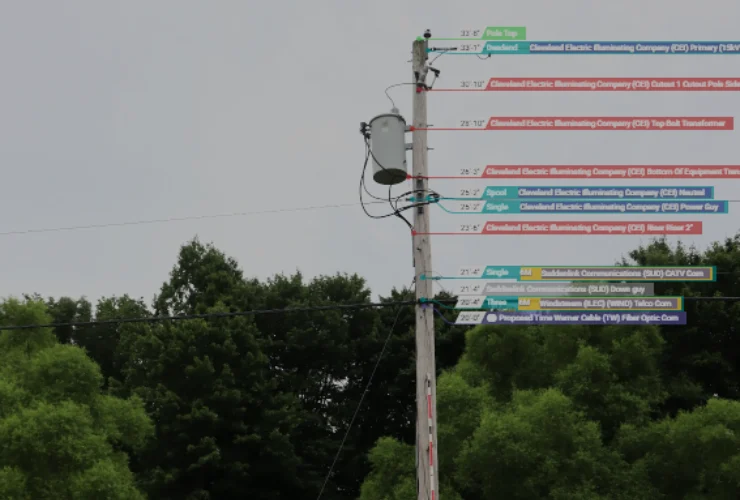
Make-Ready can be the difference between deploying fiber on schedule or falling behind.
If you’ve ever watched a fiber deployment stall before a single foot of cable is pulled, make-ready is likely where the timeline broke down. For telecom providers working on joint-use pole infrastructure, it’s not the most visible part of a build, but it’s almost always the most consequential.
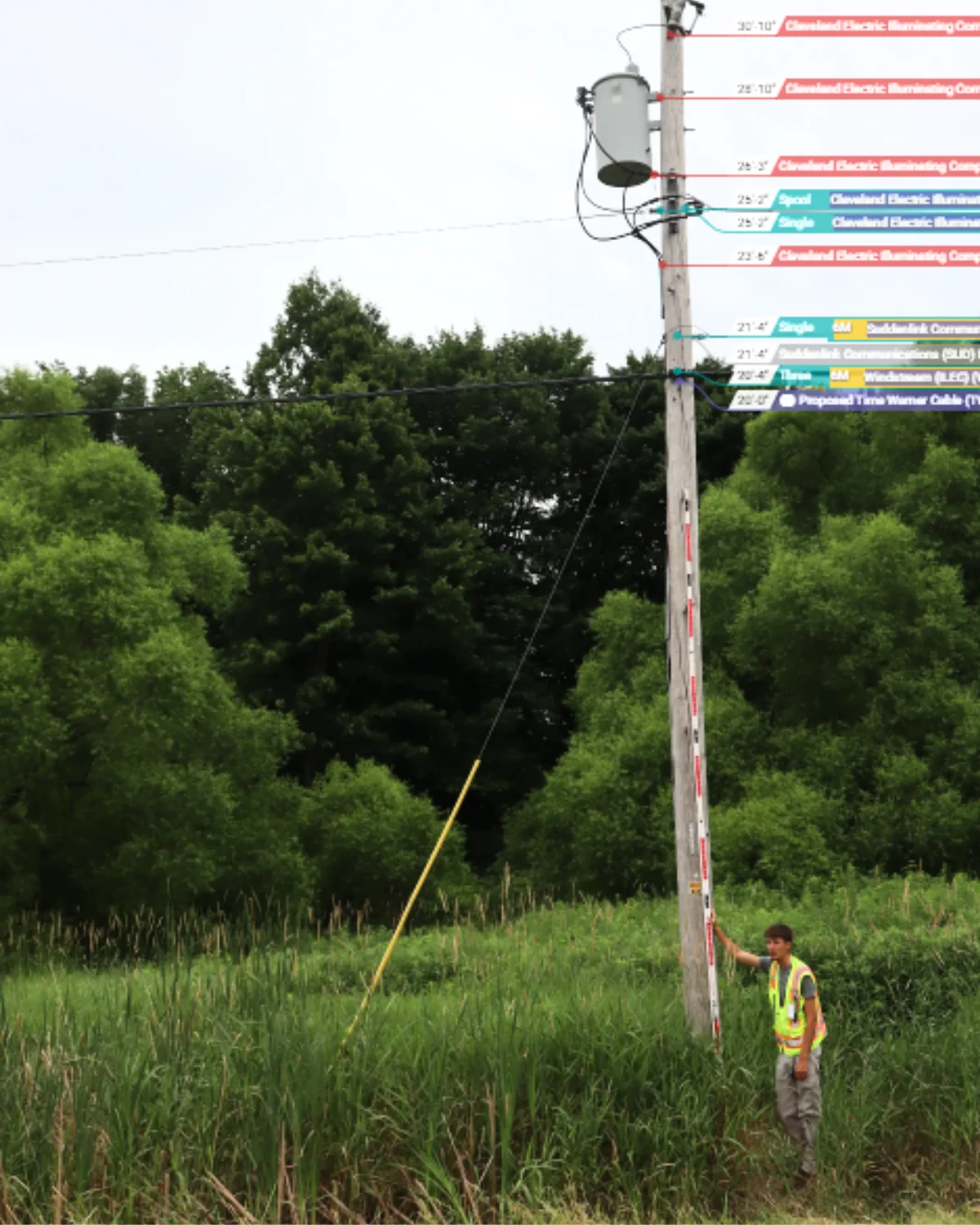
What Make-Ready Actually Is
Before a telecom provider can attach fiber to a utility pole, that pole has to be the poles have to be prepared, approved, and ready to support new attachments. Make-ready is the engineering and construction work required to get there.
Because most poles are joint-use assets, owned by utilities and used by multiple providers, new attachments often mean existing facilities need to move. That’s not only an administrative issue. It’s physics, safety code, and shared-asset reality.
How the Process Unfolds
Make-ready is a pre-construction disciplined sequence:
- Applicant proposals
- Field route preparation & evaluation
- Field data collection
- Pole loading, engineering analysis, & design
- Construction estimates & design revisions
- Quality assurance & post-construction inspection
- Permitting and utility approval (throughout)
Each step informs the next. When the front-end work is accurate, the rest of the process holds. When it isn’t, revisions ripple downstream and schedules slip.
Why Make-Ready Holds Up Deployments
Make-ready is routinely the longest item on a fiber deployment’s critical path. Most schedule pressure emerges during engineering analysis, quality assurance, and utility permitting, where gaps in earlier data can trigger redesigns, additional review cycles, or further coordination.
Common causes of delays include:
- Incomplete or inconsistent field data
- Design revisions during engineering review
- Utility approval backlogs
- Coordination challenges when pole replacements are required
None of these challenges are inevitable, but they are predictable. Strong make-ready design programs reduce risk by ensuring the data entering engineering, QA, and utility review is accurate, complete, and ready for approval.
Traditional Make-Ready vs. One-Touch Make-Ready (OTMR)
Traditional make-ready asks each existing attacher to move its own facilities—on its own schedule. That sequential approach extends timelines significantly. One-Touch Make-Ready (OTMR) allows a single approved contractor to complete most work in one coordinated visit. Where OTMR is available, it’s one of the most effective tools for compressing a schedule without cutting corners.
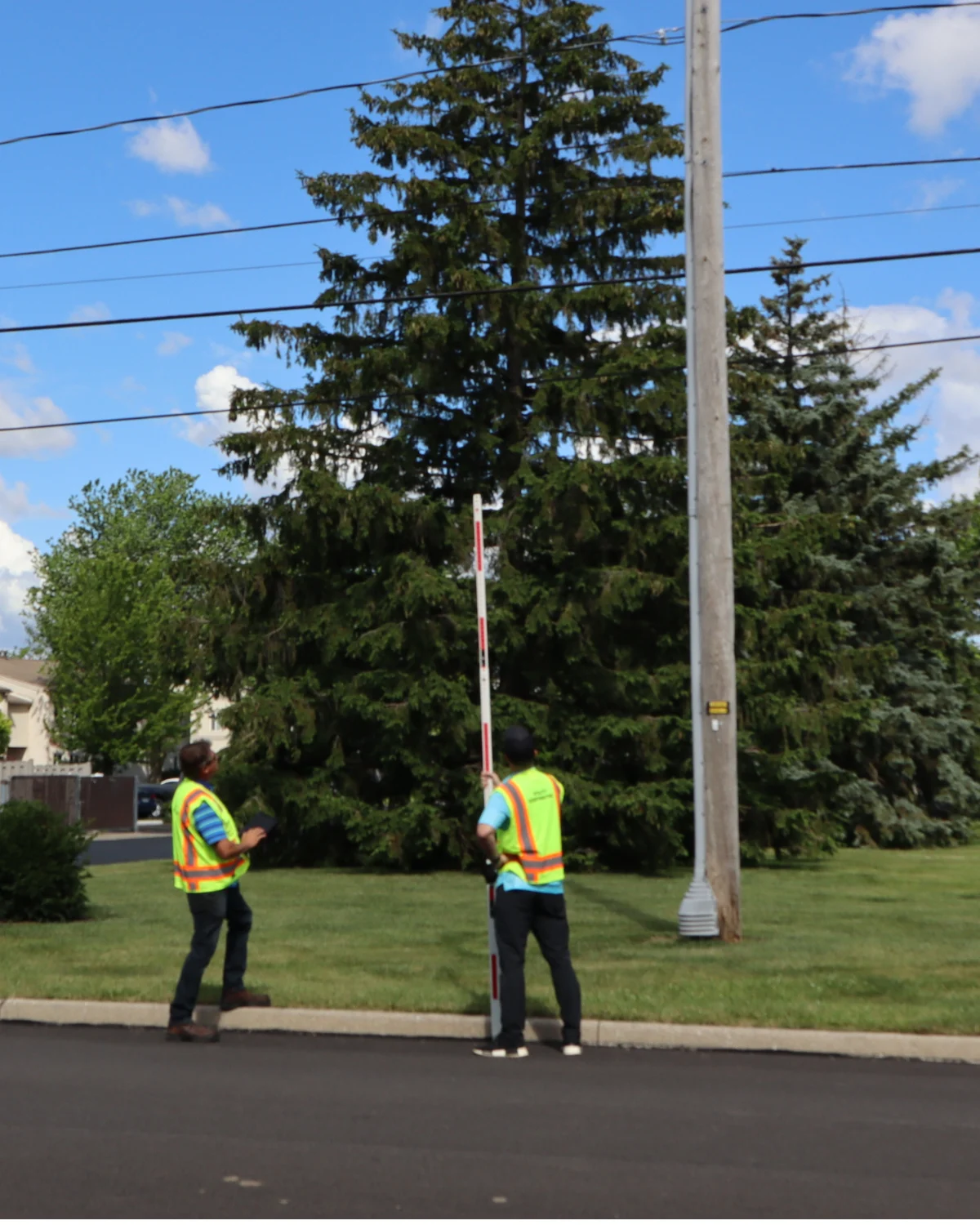
What Good Make-Ready Management Looks Like
Providers who execute make-ready well treat it as a program instead of a series of one-off project tasks. That means:
- Standardized, data-driven processes that keep projects moving without reinventing the wheel each time.
- Streamlined communication that maintains open dialogue and clear documentation at every stage of the project.
- Accurate pole fielding processes that reduce costly rework down the line.
- Proven permitting and AHJ expertise across industries to streamline approvals and avoid resubmissions.
- Scalable design teams that can expand capacity when ISPs face sudden surges in workload
It can feel complex to check all of these boxes, but it’s the discipline behind it that keeps fiber builds moving at scale.
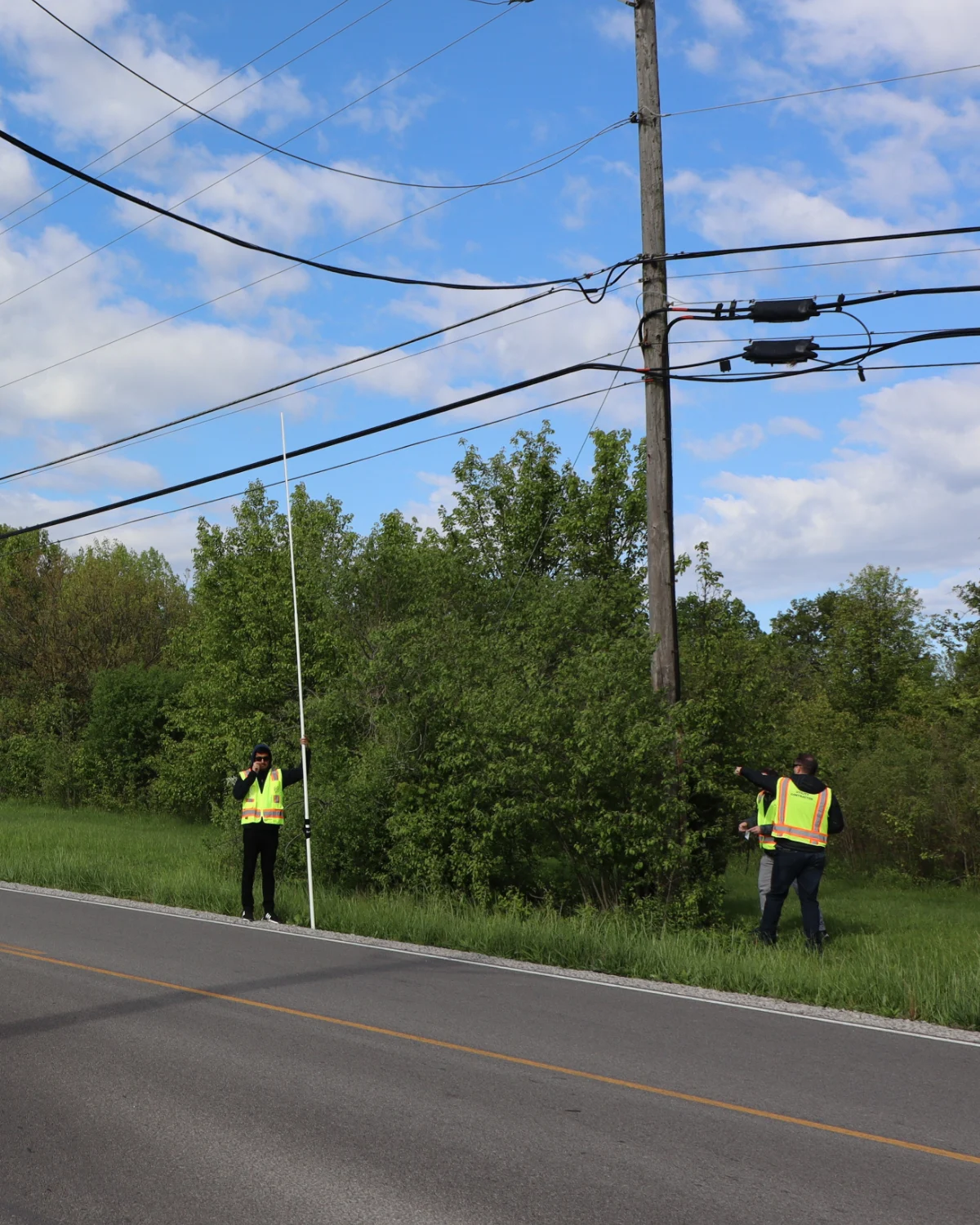
Why It Matters for Broadband Deployment
In competitive markets, the provider that executes make-ready well is often the provider that builds first. Faster entry, lower capital risk, more predictable schedules, these aren’t byproducts of good luck. They’re the result of treating make-ready as a core operational discipline rather than pre-construction one-offs.